

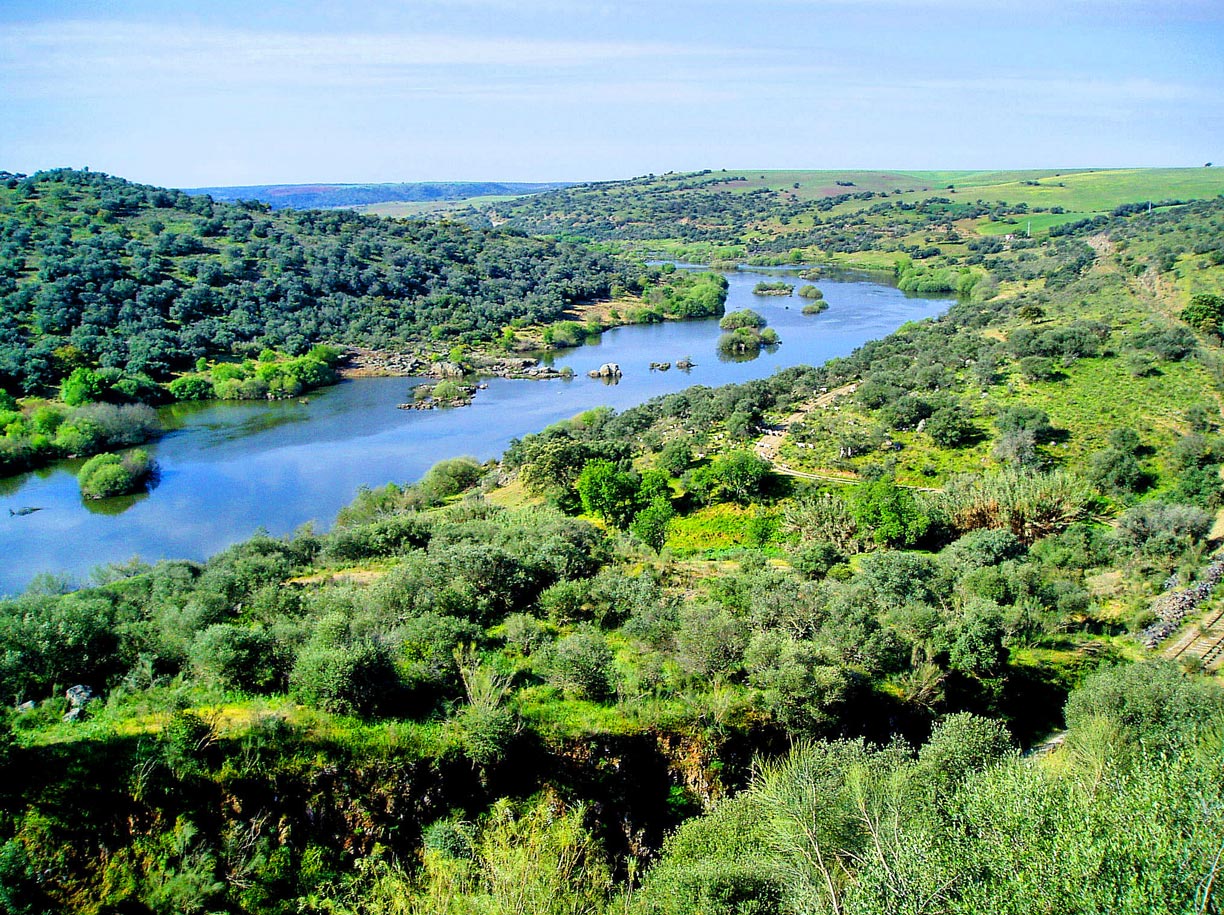
The Iberian Peninsula Photo: By Francisco Antunes – Cropped from [https://www.flickr.com/photos/12285897@N00/480392865, CC BY 2.0, https://commons.wikimedia.org/w/index.php?curid=2083587
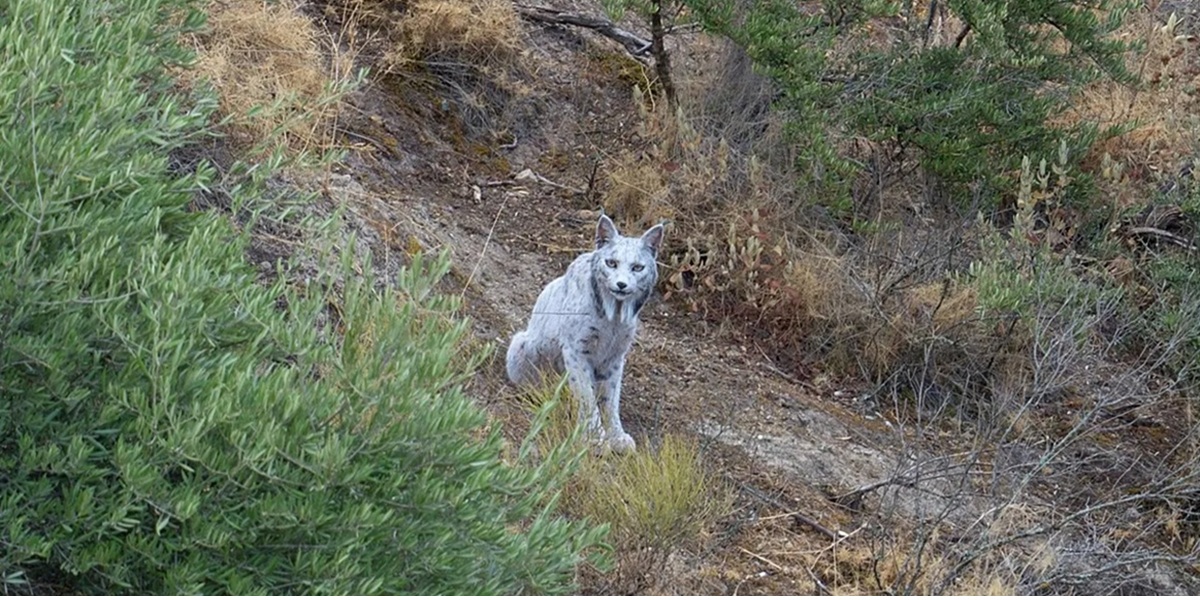
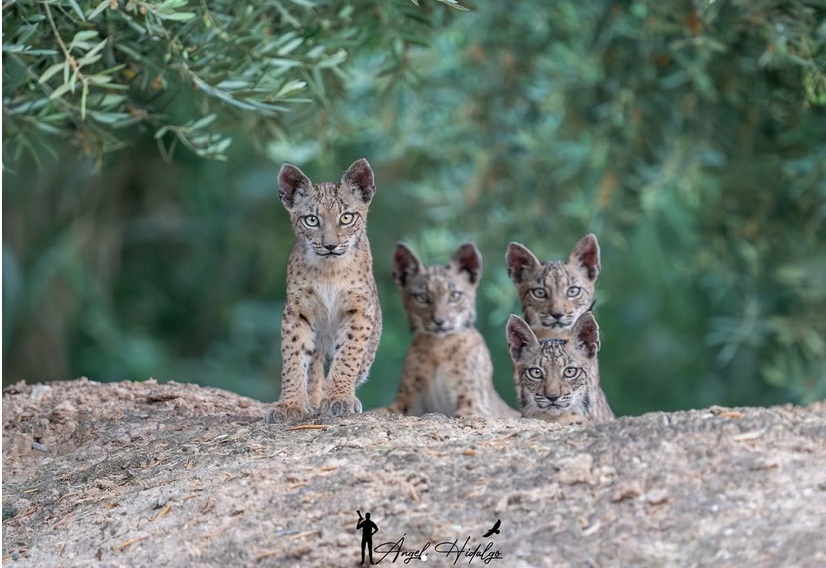
So why is this Iberian Lynx special?
Leucism is a genetic condition that causes a partial loss of pigmentation in animals, resulting in an overall pale or patchy appearance. [But] unlike albinism, the animal retains some color. Leucistic animals may have muted colors, irregular patches of white, or appear completely white but still have normal-colored eyes. This condition differs from albinism because it does not completely eliminate melanin production or affect eye color, which remains normal rather than pink.
For the love of animals.
[Phototrapping] a technique that consists of installing hidden cameras in strategic points of natural habitat to record the passage of wild species. “I’ve been placing cameras for many years, with many failed attempts and hours of work, but this time nature has gifted me something unique,” says excited.The young photographer was checking one of his cameras when, to his surprise, he discovered the silhouette of this majestic pale-haired cat. “I couldn’t believe it, I had to watch it several times to make sure it was real,” he recounts.
View this post on Instagram
Iberian Lynx Info
Size and Appearance:
The Iberian Lynx is similar in its appearance to the Eurasian Lynx, but about half its size. Adult males weigh on the average 27.5 pounds and the females average 20. The fur is typically grayish, with tints varying from yellowish to rusty and is distinctly spotted. They have a flared facial ruff, long prominent black ear tufts, and long hind legs with a short black tipped tail. Their large, wide-spreading feet are covered in fur, which act like snowshoes, and are effective in supporting the cat’s weight on the snow. They are often confused with their smaller feline cousins the Bobcat, but can be easily distinguished by their tail tips. The tail of the Lynx looks as though it was dipped in an inkwell being black all the way around, whereas the Bobcat’s tail appears to have been painted black on top and white on the bottom.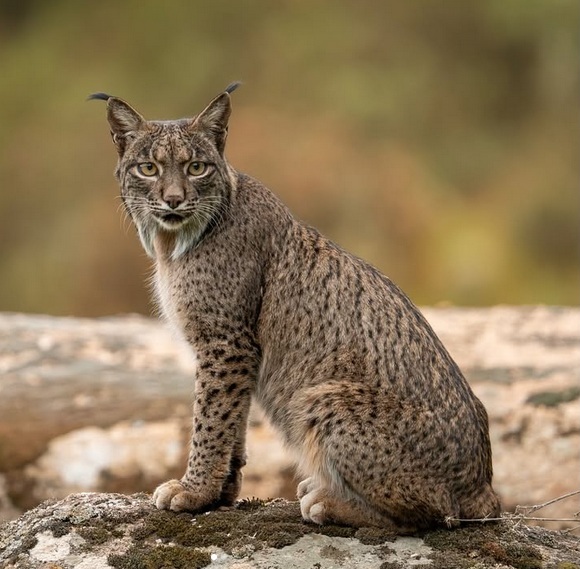
The European Nature Trust and others have dedicated themselves to helping this gorgeous animal.
The European Nature Trust works with CBD-Habitat to help conserve the Iberian lynx. An emblem of wild Iberia, the Iberian lynx is a key regulator of Spain’s ecosystems, balancing trophic cascades throughout the ecosystem. In the past, the species was abundant across Spain and Portugal, but through poaching, habitat loss and the decline of wild prey, numbers had declined to two isolated populations by the early 2000s.
Felid TAG recommendation: Spanish lynx (Lynx pardinus). Considered one of the rarest species on earth, the Spanish lynx suffers from having disjunct populations, continued habitat loss and accidental death from trappers and automobiles. Although the Spanish are making plans to initiate a captive-breeding program, it is not likely that this species will ever become available for export to North America.

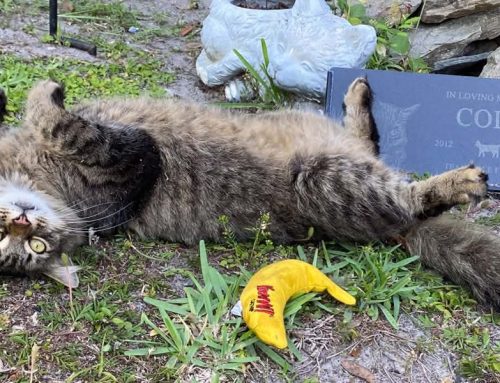
Photo: Cole and Marmalade; Cat Man Chris
All Photos/Video Property of @angeliyo_o unless otherwise noted.