
There may be only 250 West African lions left in the wild, including 40 in the Niokolo Koba National Park. So, when the global wild cat conservation organization Panthera and their partner, Senegal’s Department of National Parks, discovered a lioness in danger, they knew they had to save her. Alone and starving, she had been suffering and wouldn’t have made it without immediate intervention.
Panthera the Lion Rescue Group
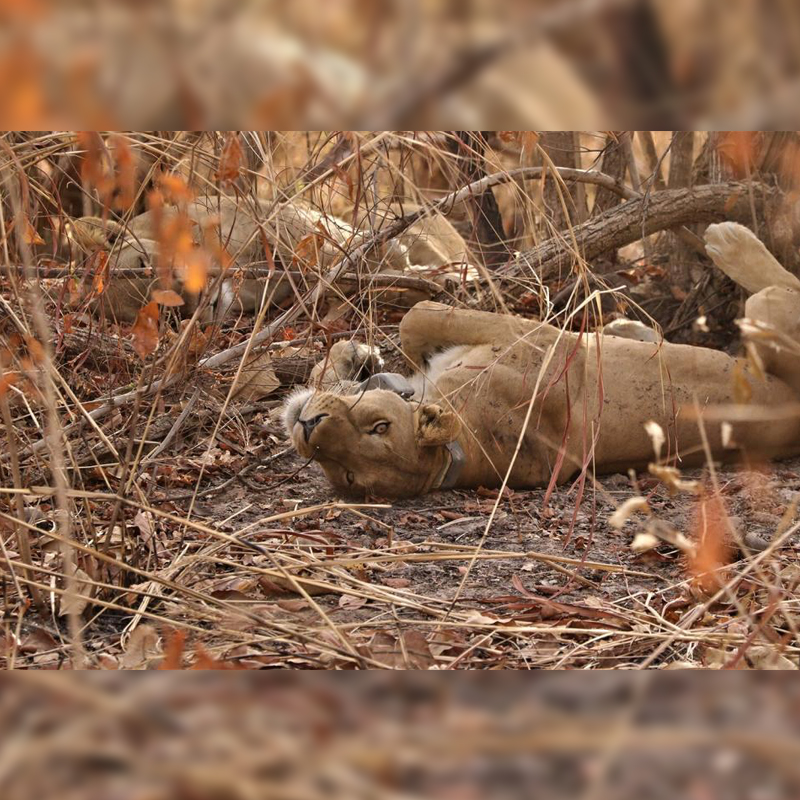
Images via Panthera and Yahoo. “Pictured here is the lioness, Flo, with her sister in the background who we collared last year and now forms the largest of the parks prides.”
Together, Panthera and Senegal’s Department of National Parks set out to provide care to all lions in their territory of West Africa. Over the last few years, their work has included putting collars on lions to track them. Finding and protecting a lion in distress or gathering critical endangered species data is much easier with GPS tracking.
In 2021 and 2022, Panthera and the Senegal Parks Department put about six collars on lions in the Niokolo Koba National Park (NKNP).
According to Panthera, this was the first time lions were successfully GPS-collared in the nation.
“Collaring the first-ever lions in Senegal is a historic achievement and a critical first step to gather information on the population’s movement, behavior, diet, social system and threats that will significantly help scientists sketch a conservation roadmap to save the West African lion in country and further afield,” said Panthera’s West and Central Africa Regional Director, Dr. Philipp Henschel.
In all, they collared six Critically Endangered West African lions in Niokolo Koba National Park. One of the lions, a skinny lioness named Flo, was too young for a collar but required immediate help to save her life. The conservationists collared Flo’s sister the previous year.
Porcupines and Lions Don’t Mix
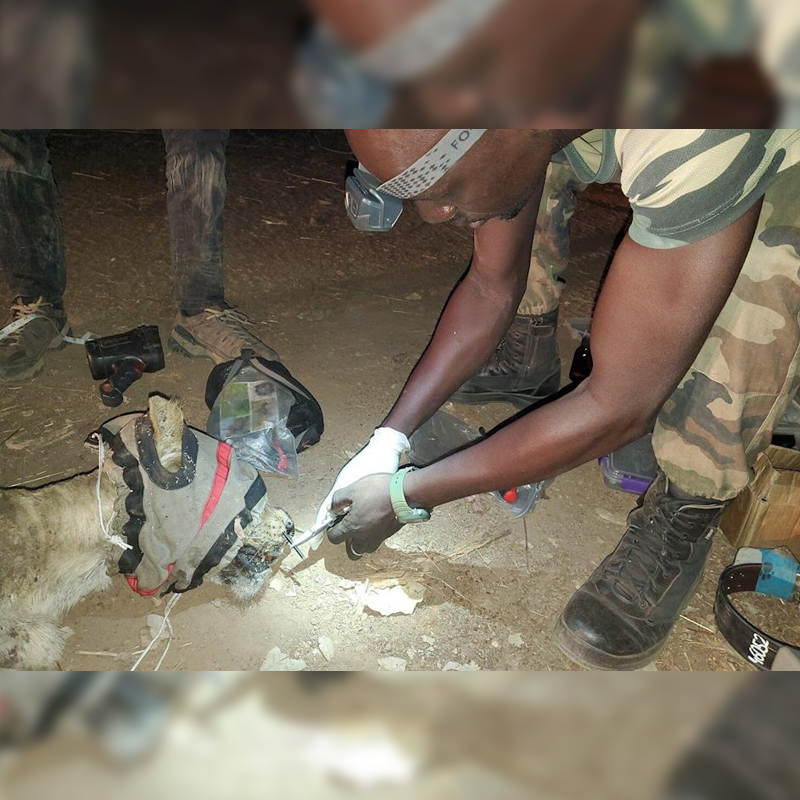
“Pictured here is Fall, the park’s wildlife vet, removing quills from her face.”
Flo Hadn’t Eaten in a Month
While Panthera was working on this collaring project, they came across Flo, a very small malnourished lioness. They realized she was separated from her pride and couldn’t hunt on her own. But why? We know that the female lions mostly do all of the hunting for their pride. It turns out upon closer examination that her face was full of porcupine quills. Ouch! That had to hurt.
After assessing the situation, they found that the lion probably hadn’t been able to eat for about a month. For a frame of reference, humans can survive only eight to twenty-one days without food and water and up to two months if there’s enough water to drink. However, lions can go only 14 days without eating, or up to a month if they have an adequate water supply which includes extracting water from foods such as melons and cucumbers. So this queen was close to the edge of passing.
Losing even one lioness would be a setback for the West African lion population.
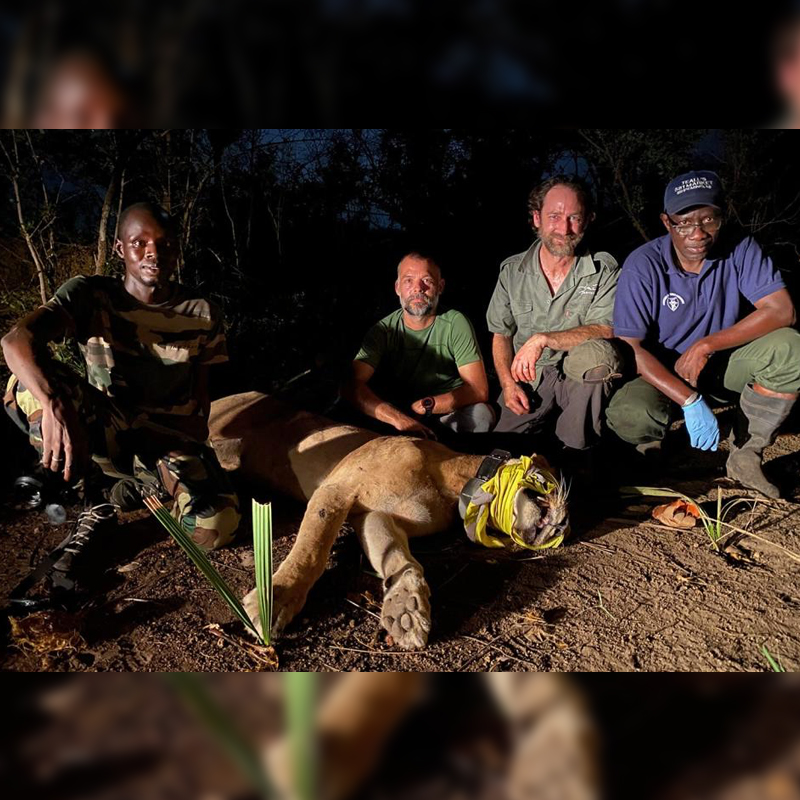
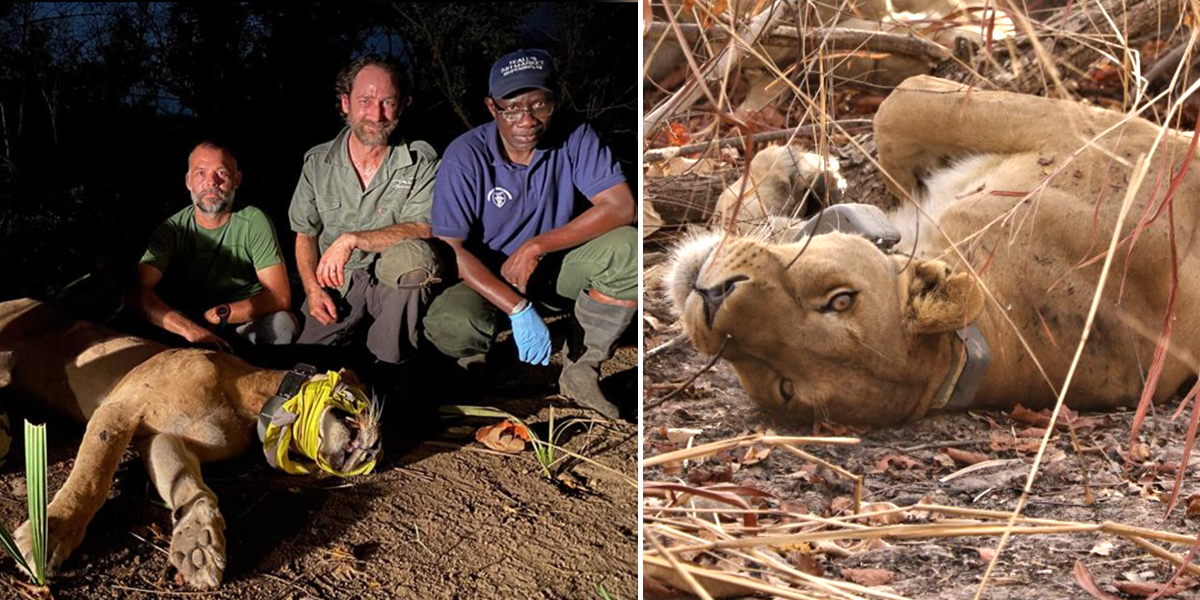
“Panthera scientists and members of Senegal’s Department of National Parks with an anesthetized and collared lion. Niokolo Koba National Park, Senegal. 2021.”
The Panthera team decided to sedate the lioness, remove the quills, and provide antibiotics and disinfectant to the wounds. All better!
“We probably saved her life. She was too small to fit with a GPS collar, but we took genetics samples from her, and hopefully, someday, we will find her again or, even better yet, will find her offspring,” Dr. Philipp Henschel, Panthera’s West and Central Africa regional director, said in a statement.
The West African Lion in Senegal
The lioness is a West African lion on the verge of extinction and is vital to ensure her species’ survival. Where the lioness was found, originally in 2011, there were only about 10 to 15 lions in existence which has now more than doubled to around 40.
Still, their numbers are dangerously low, even though they are much revered in Senegal.
“A state icon, the lion serves as the official symbol of Senegal and the national football team mascot, along with being highlighted in the country’s anthem,” writes Panthera. “Despite their regional reverence, however, West African lions have suffered particularly dramatic population declines due to illegal hunting of the species’ prey, poaching for the illegal wildlife trade, direct killing over livestock depredation and loss of habitat. Lions now inhabit just one percent of their historic range in West Africa.”
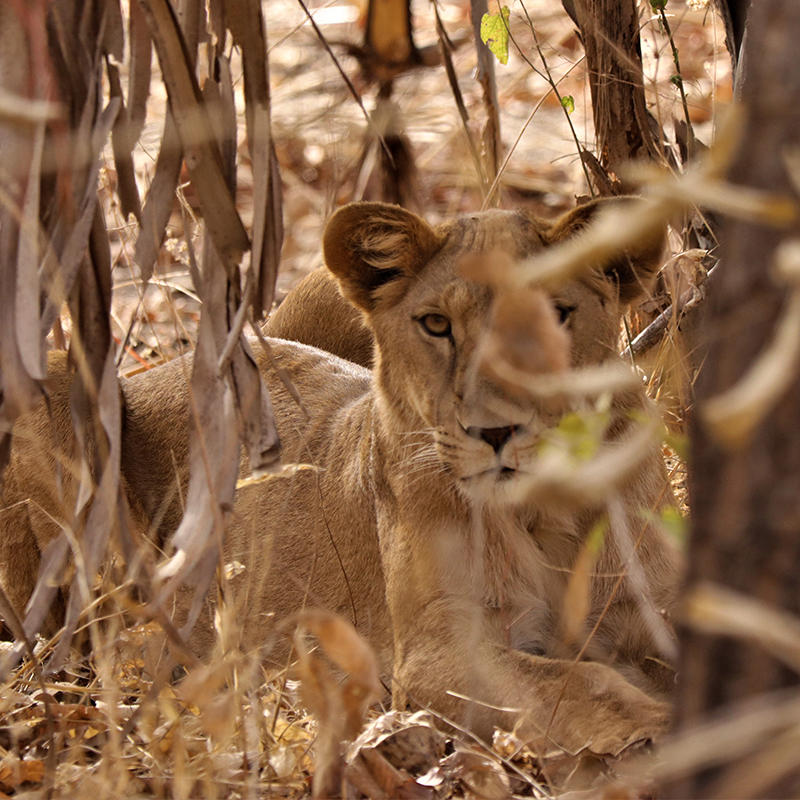
“Pictured here is a young female who accompanies the lioness Flo (may be her daughter).” Image via Panthera.
Other wild cats in the area include the African wild cat, serval, and caracal. It’s also home to African wild dogs, possibly the last surviving population in West Africa.
If you would like to donate to their organization for lion preservation efforts, you can do so here. Also, you can follow Panthera on Facebook and Instagram.
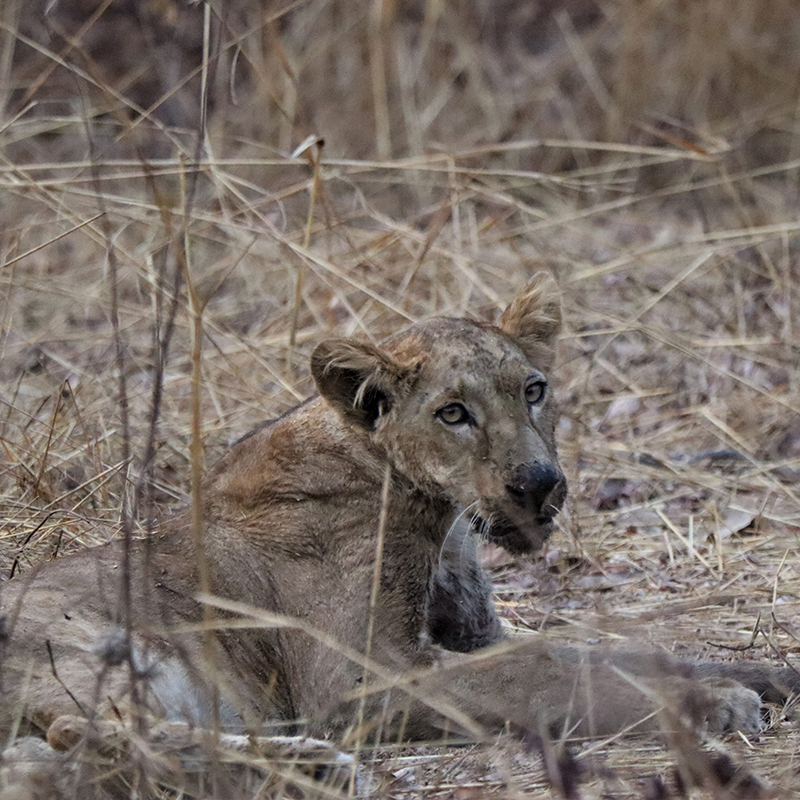
“Pictured here is the young lioness waking up after the operation.” Image via Panthera.